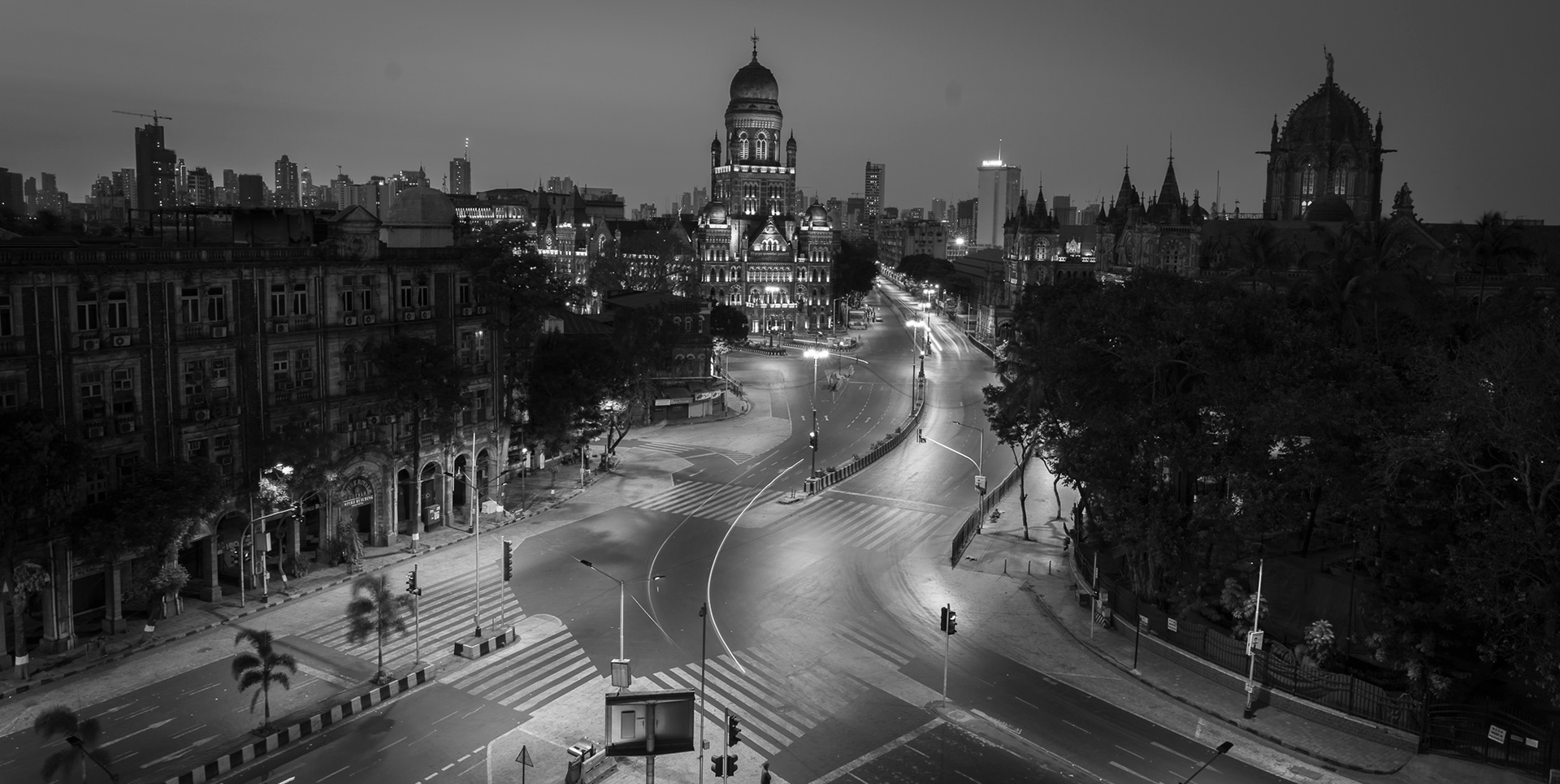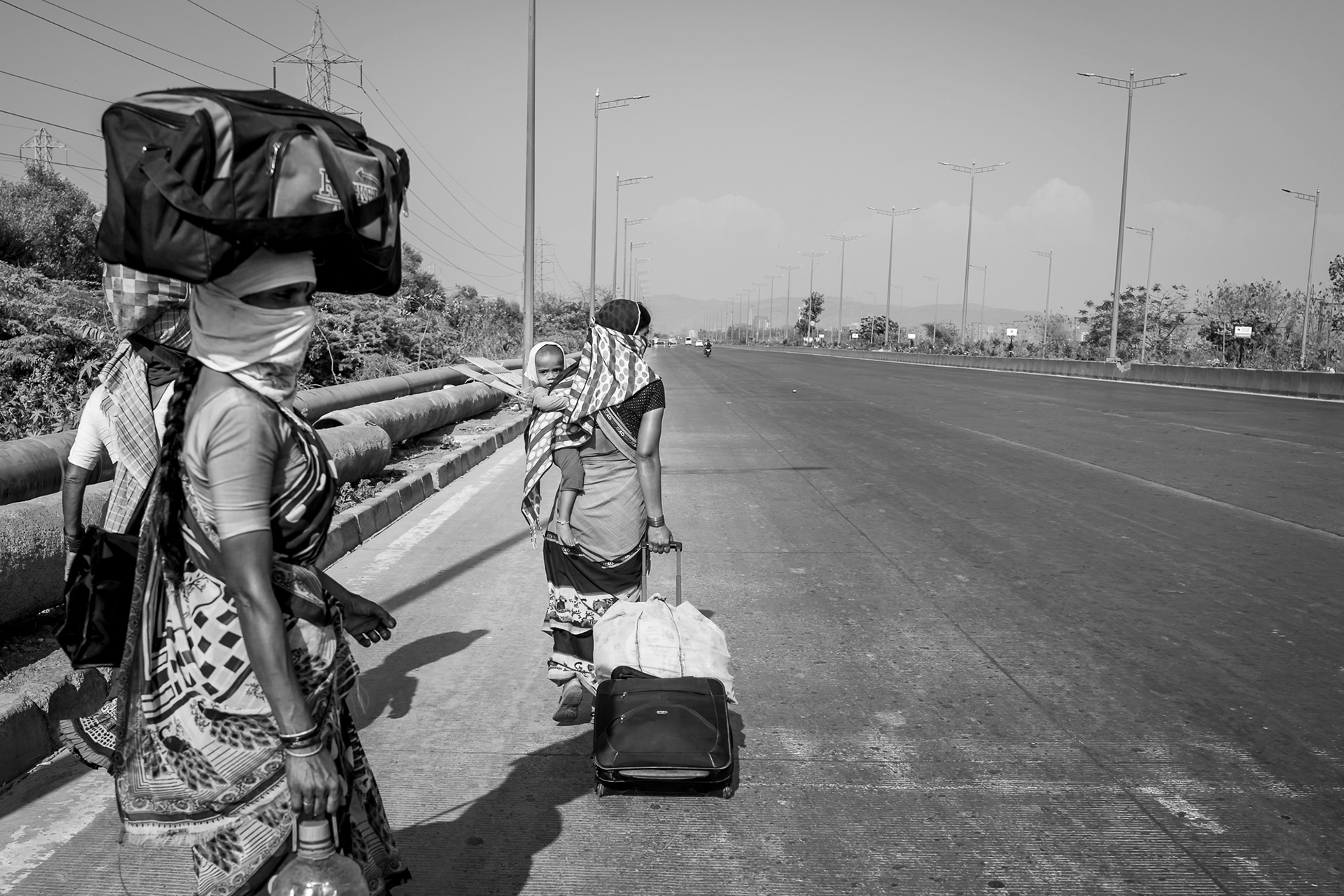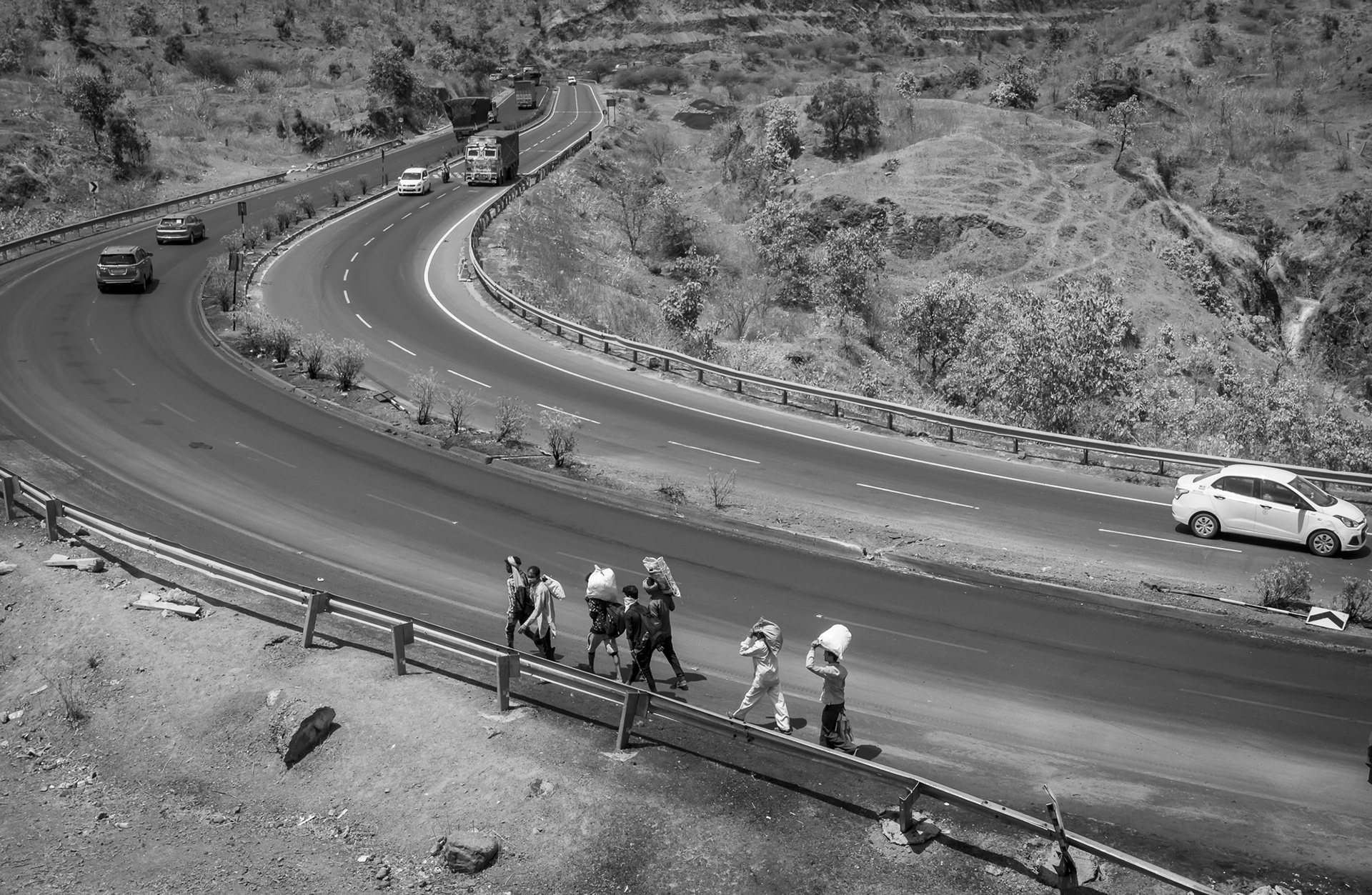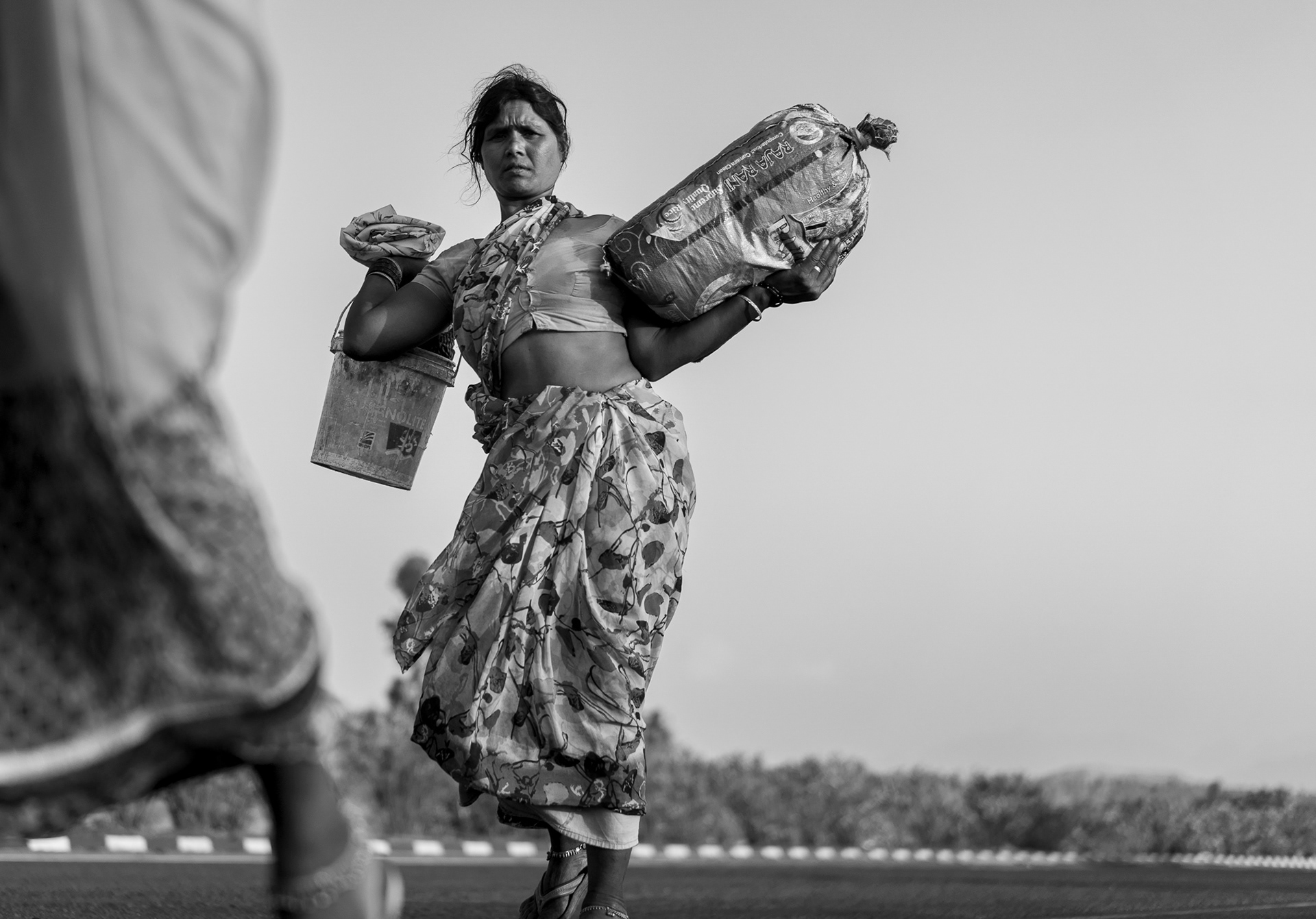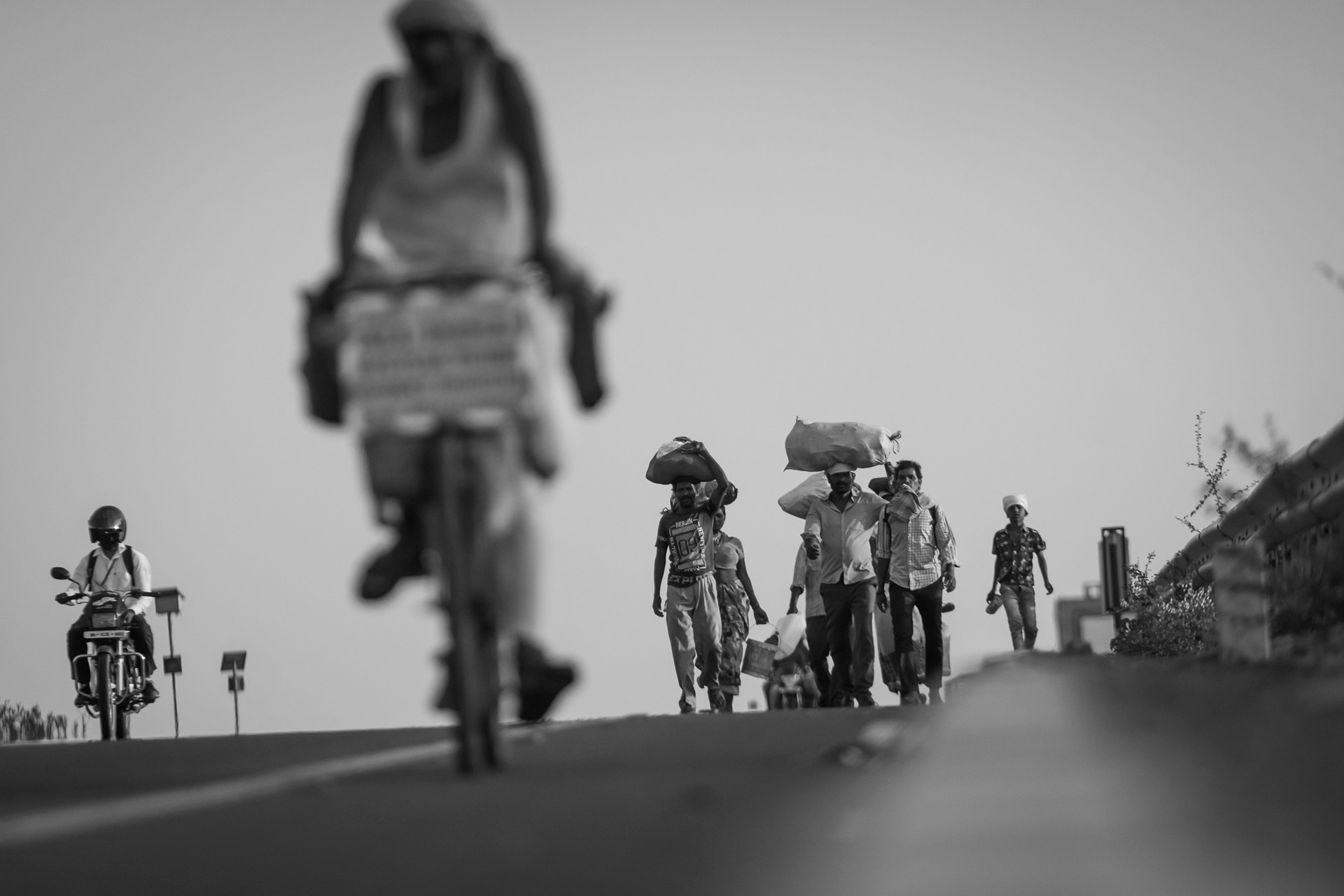
In March 2020, India suddenly went into a nationwide lockdown. Public transport stopped, jobs disappeared overnight, and millions of migrant workers were left with no way to survive in the cities. With little choice, they began walking hundreds of kilometres back to their home villages.
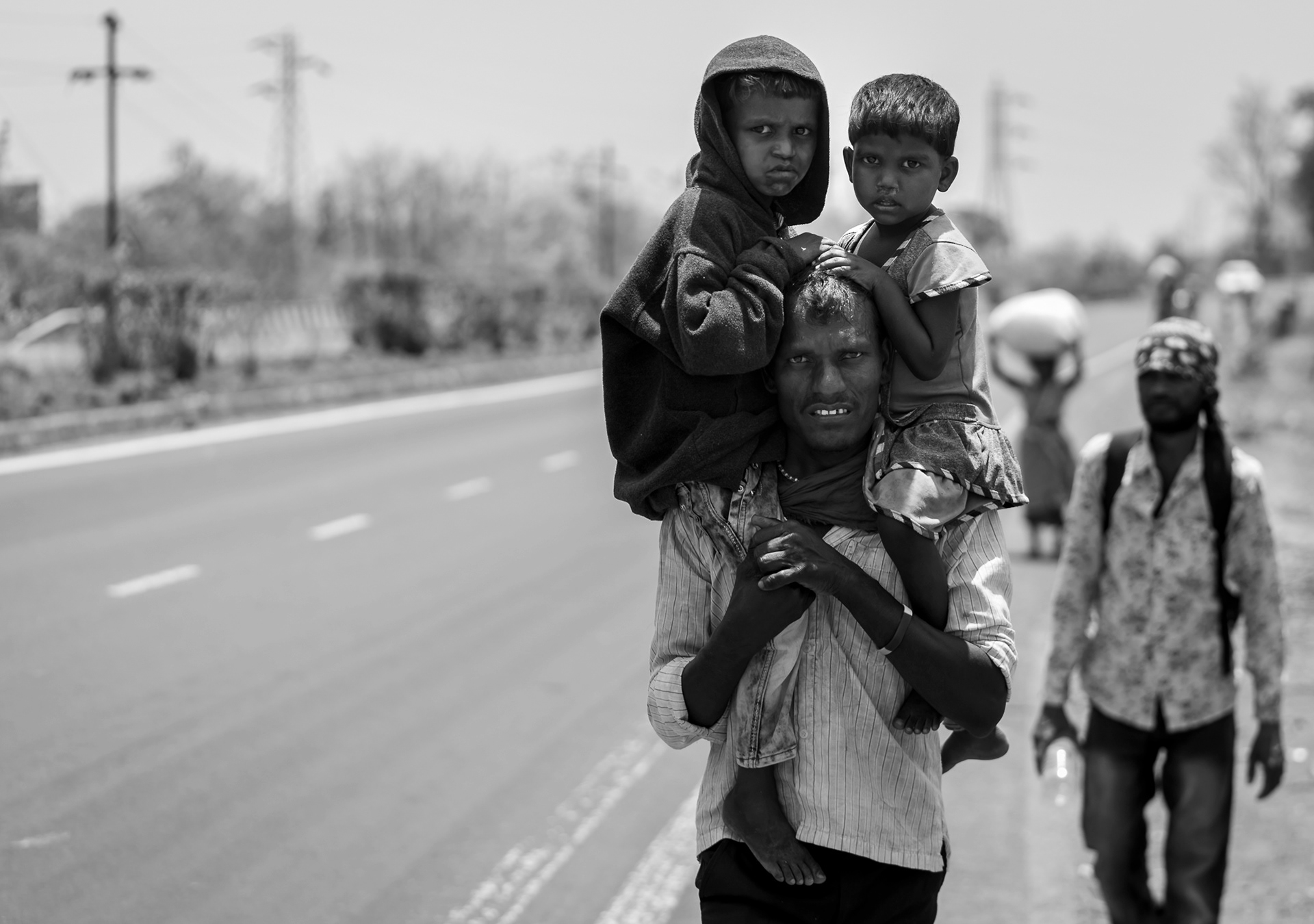
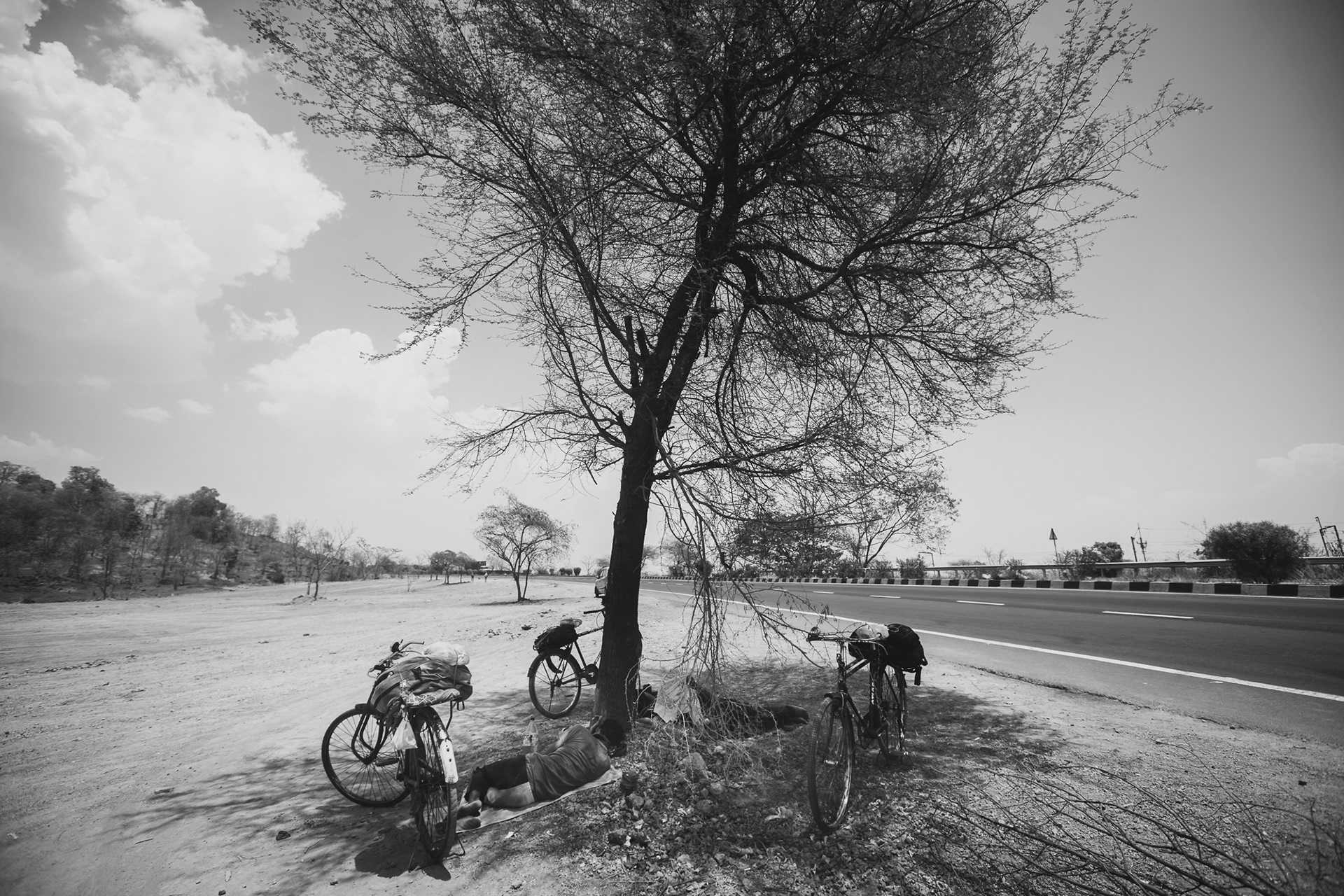
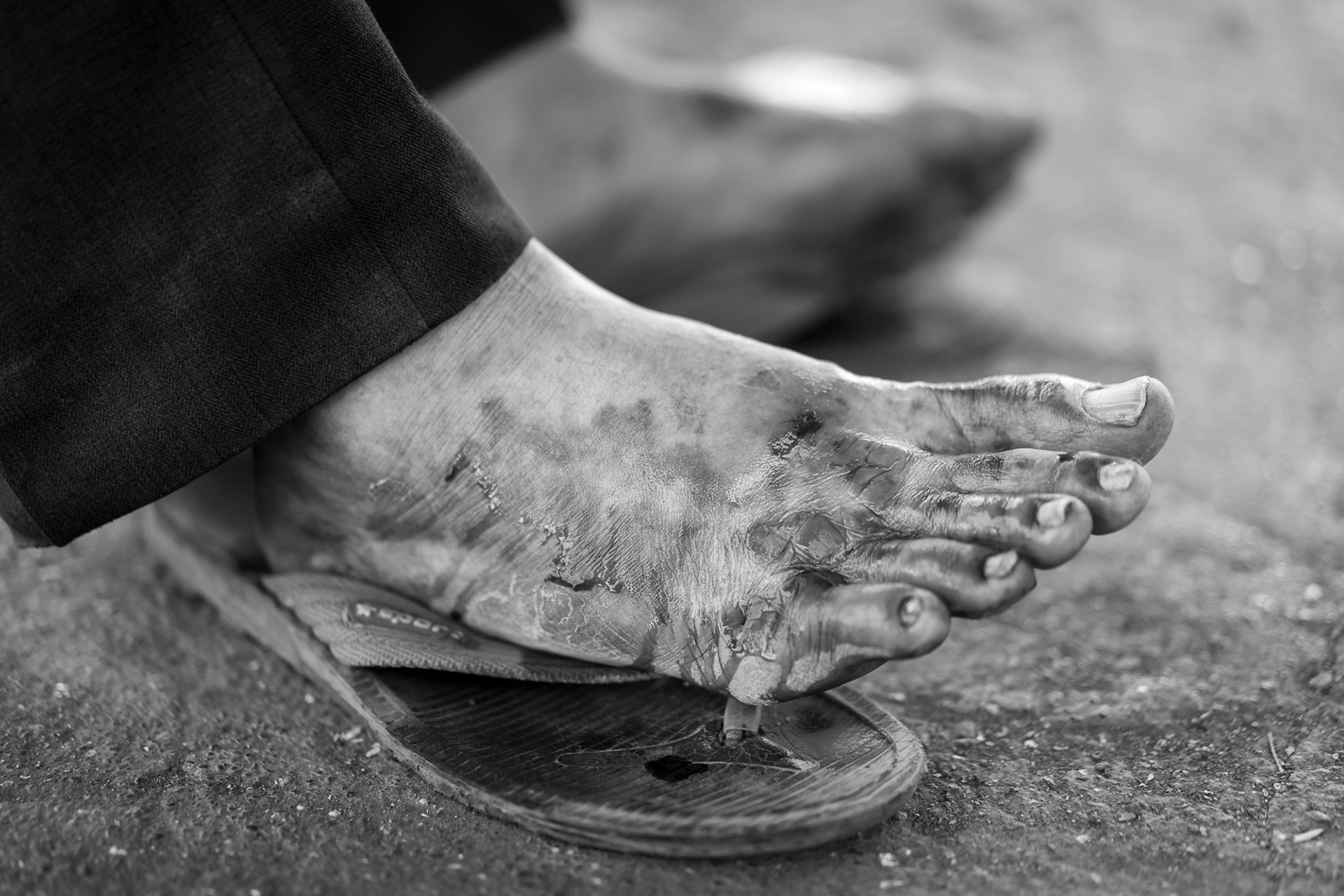
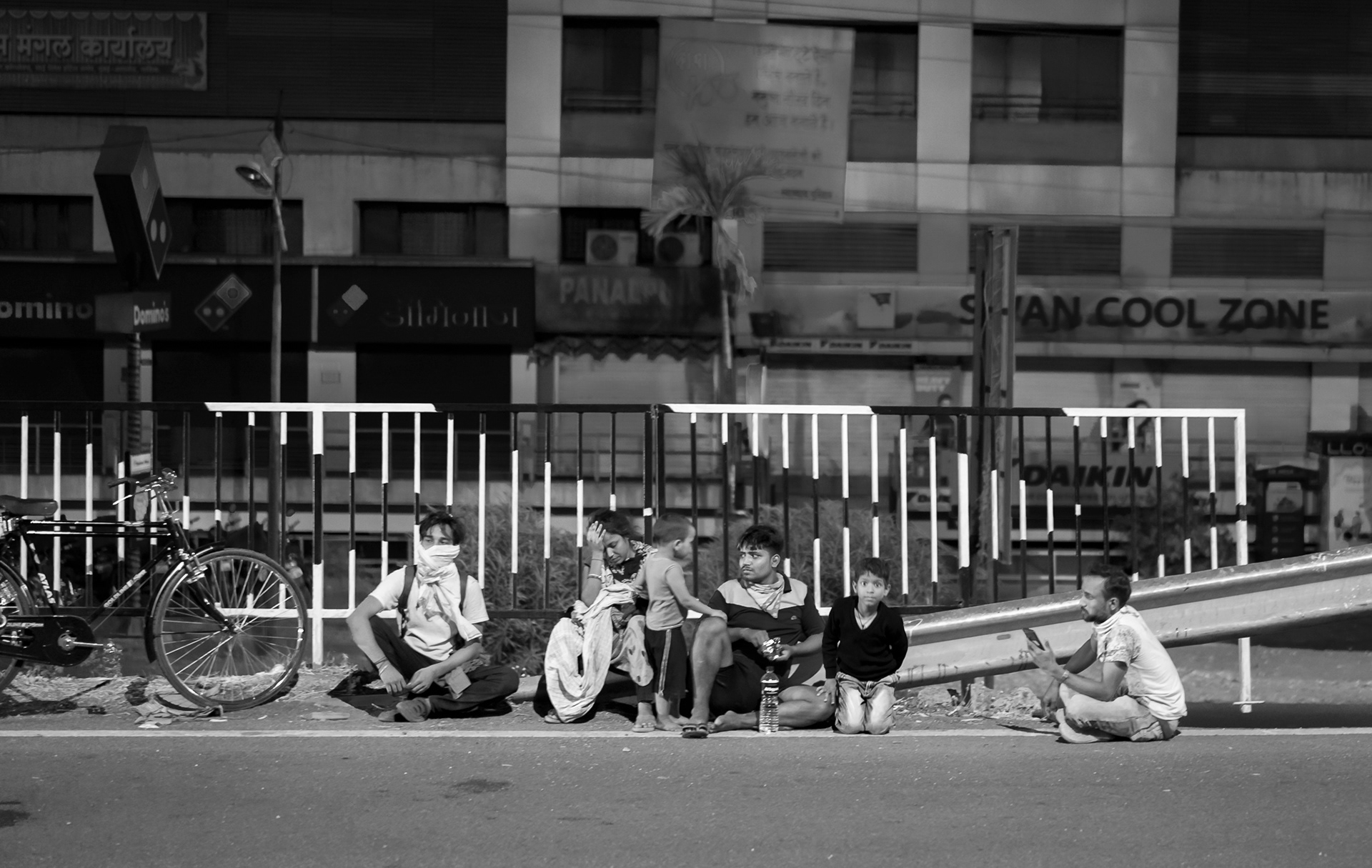
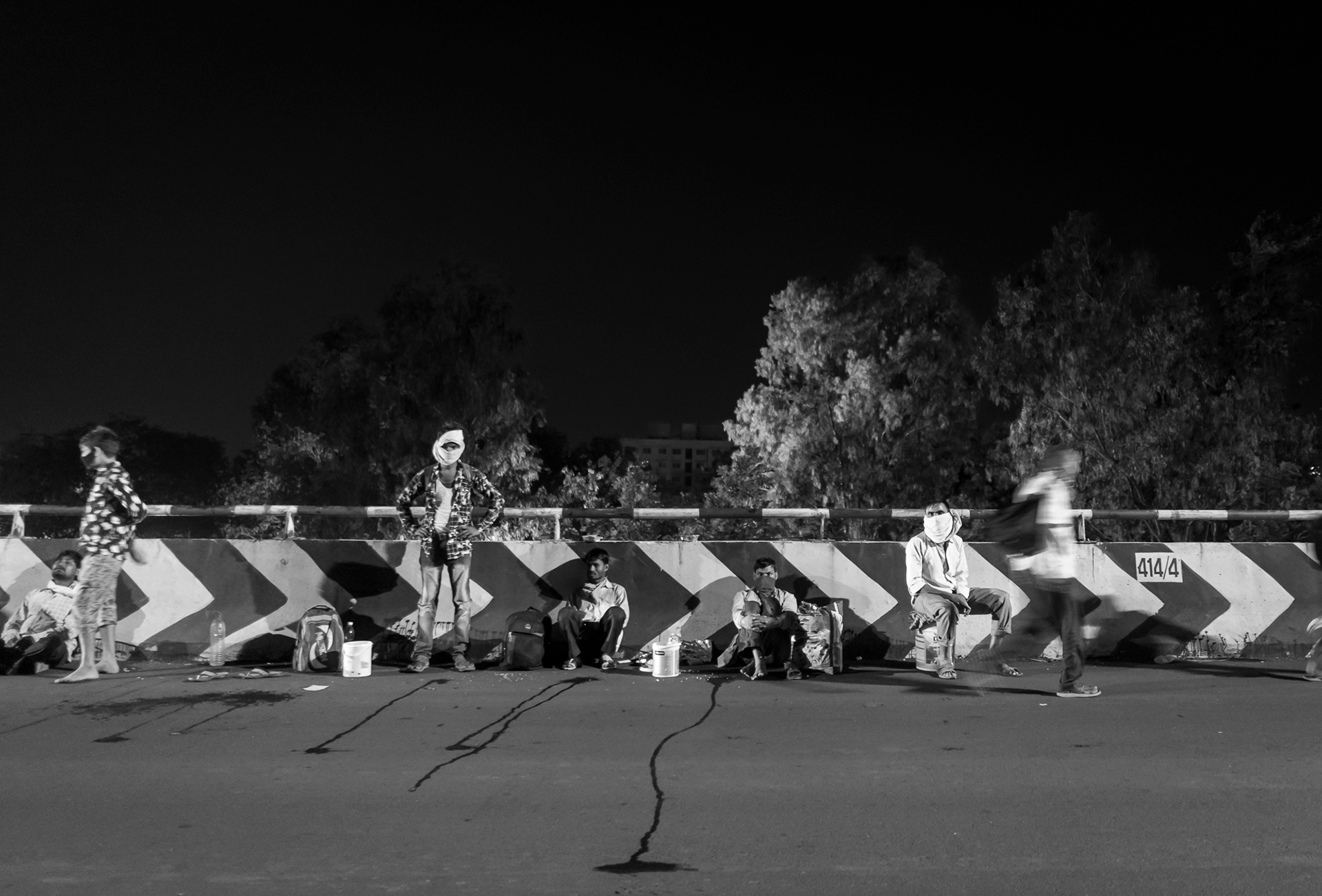
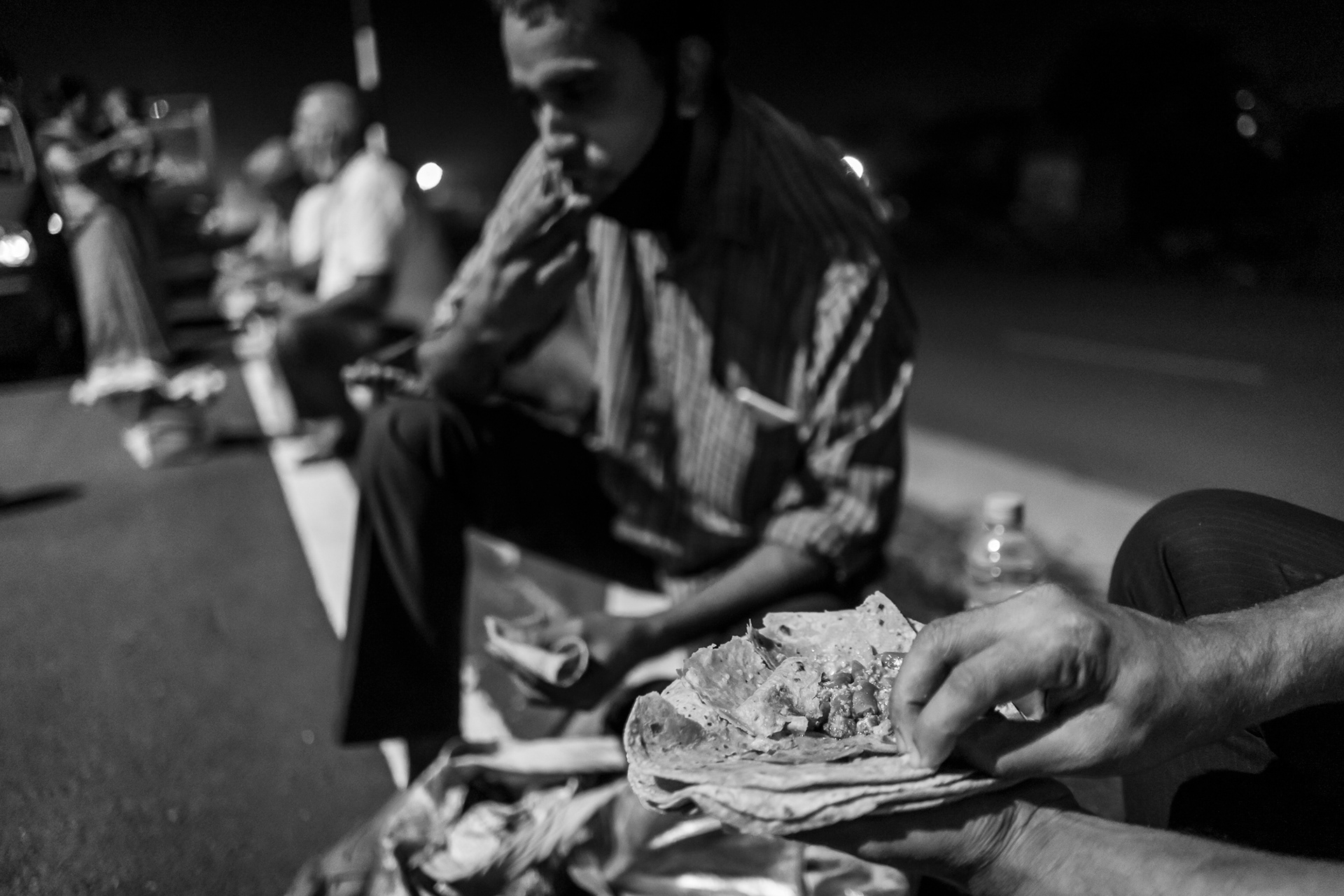
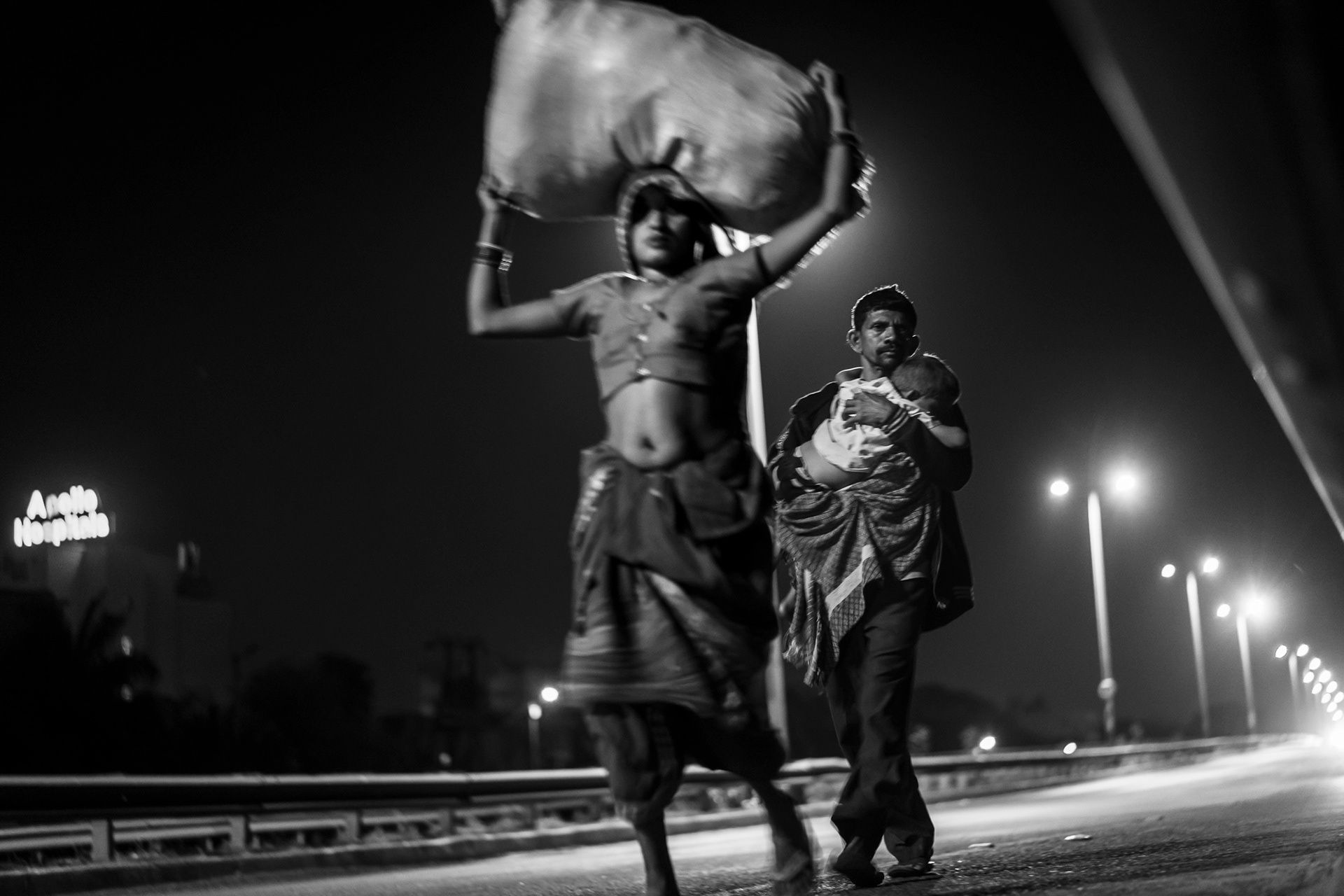
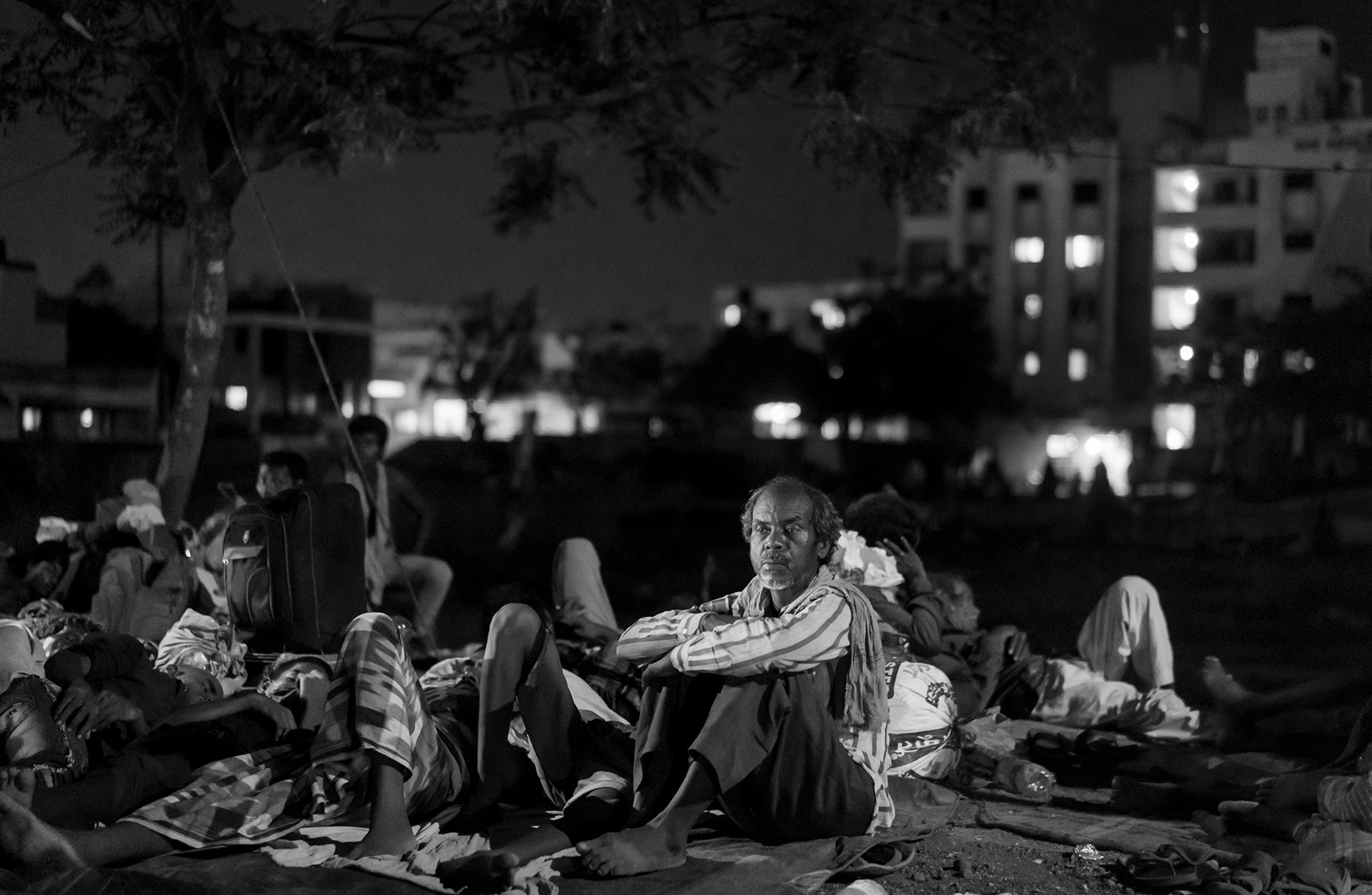
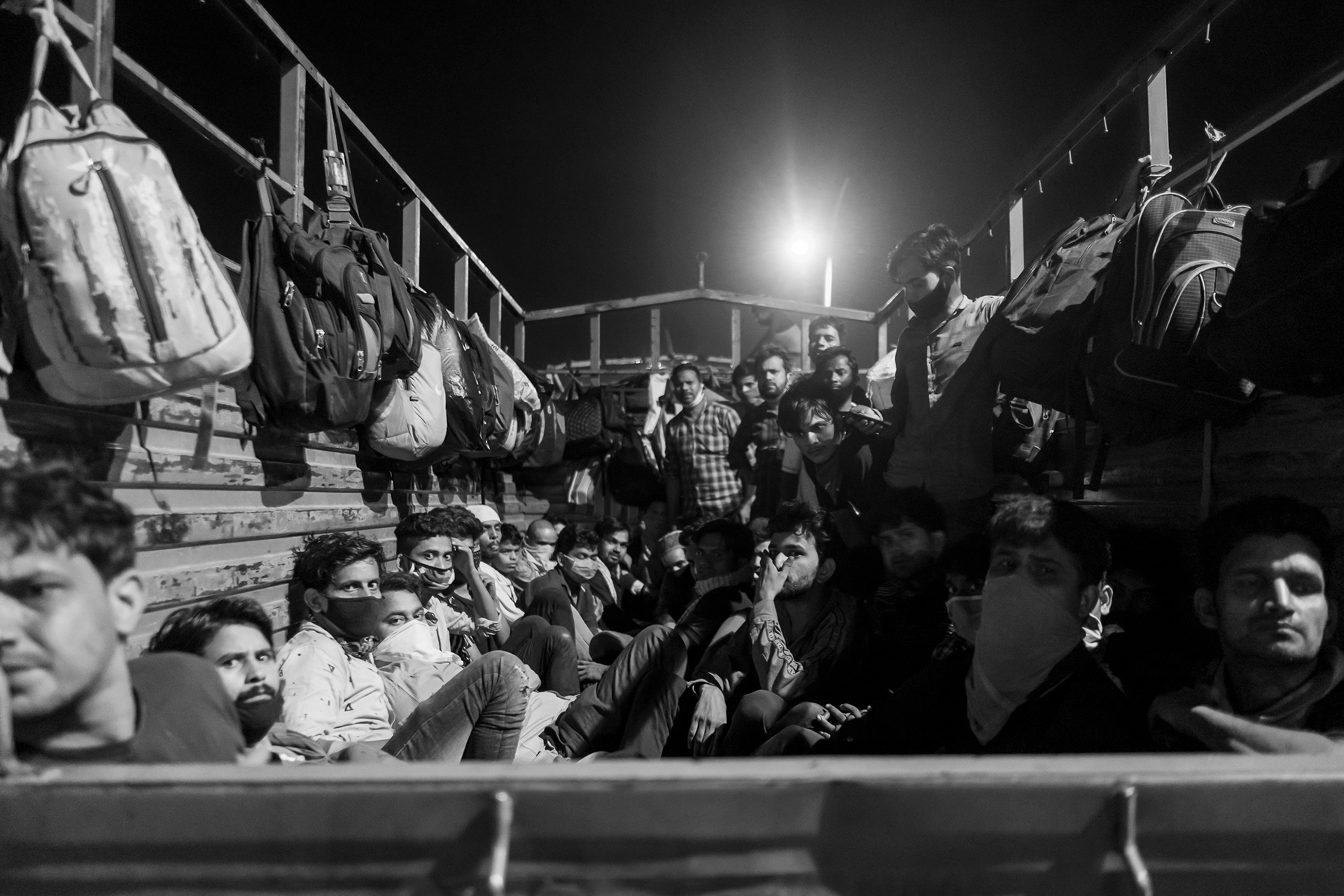
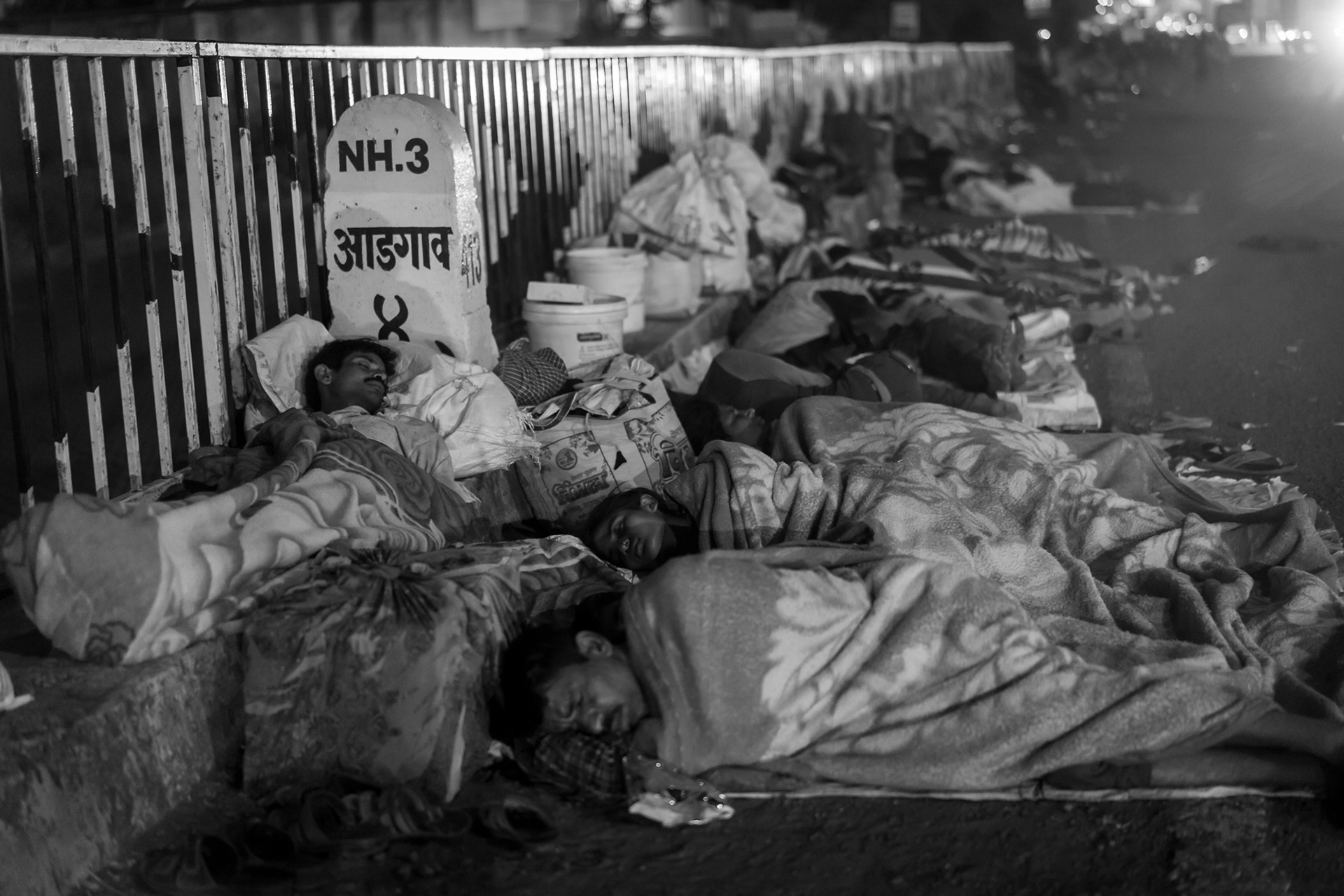
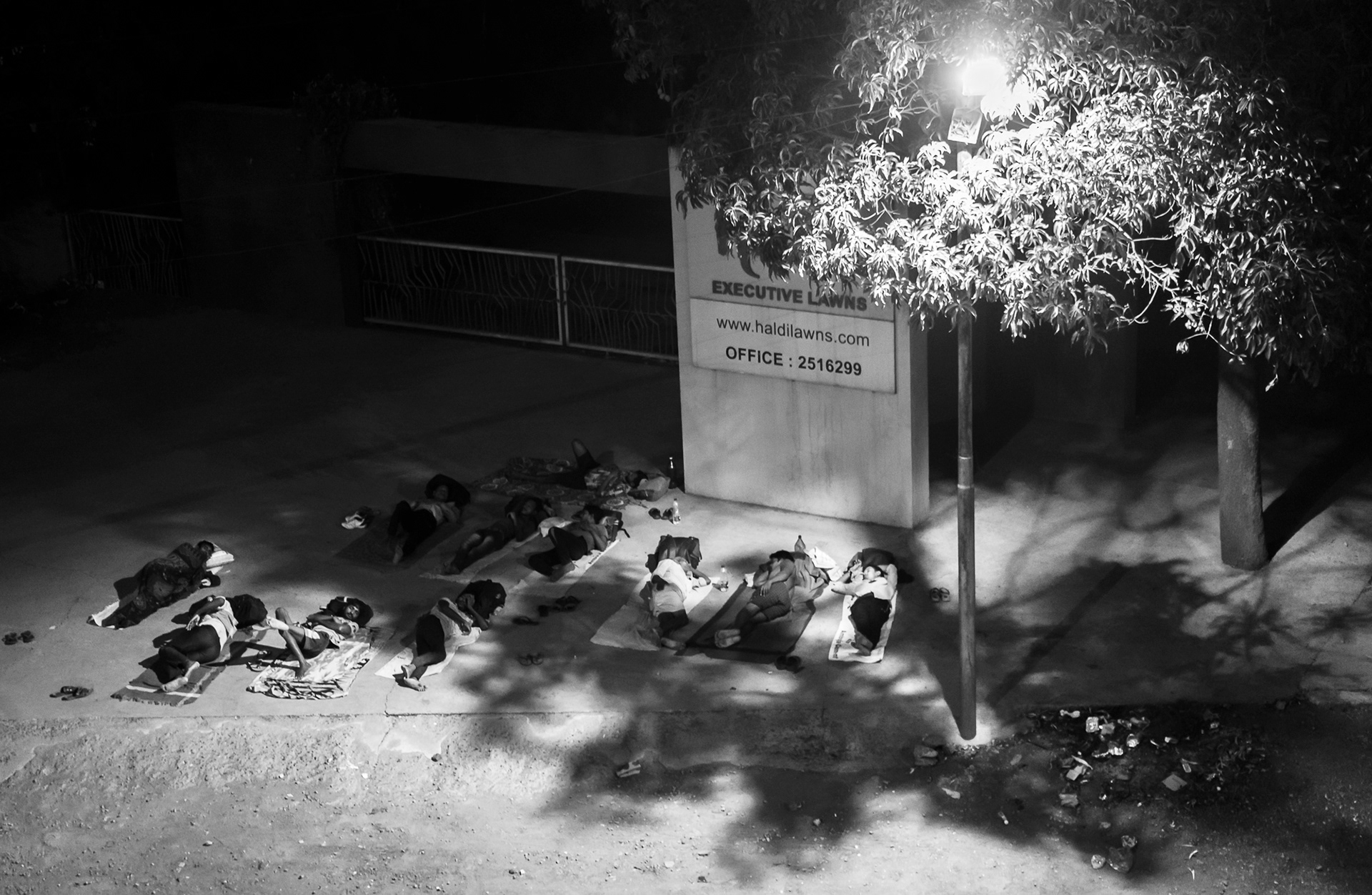
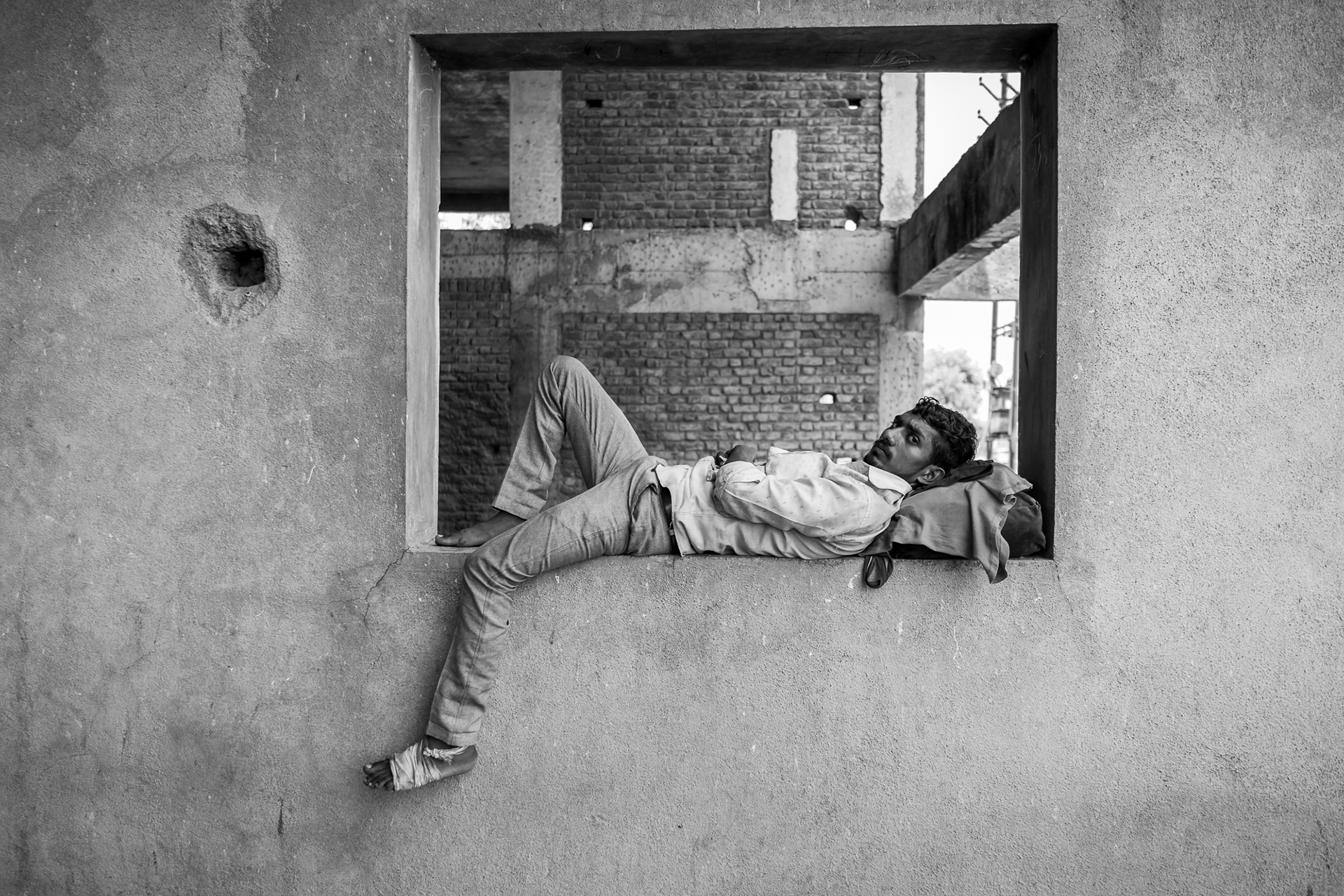
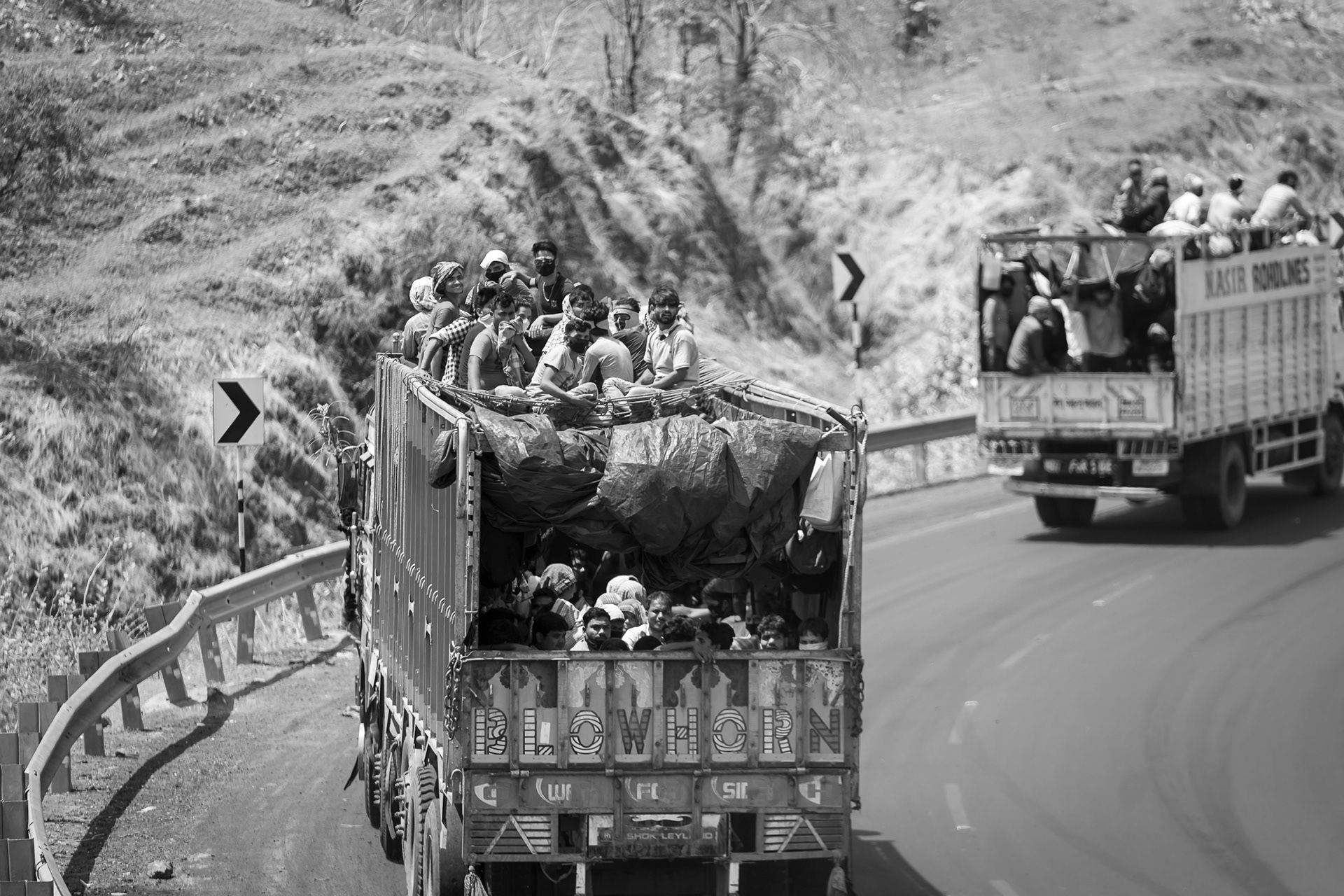
COVID Migration follows this long and difficult journey along highways leading out of Mumbai—through Thane, Nashik, Bijasani Ghat, and towards Uttar Pradesh, Bihar, Madhya Pradesh, and Karnataka. The photographs show tired bodies and strong spirits: families sleeping under flyovers, wounded feet burned by hot roads, children riding on their parents’ shoulders, and simple meals of roti and pickle eaten by torchlight on empty highways.
He photographed this series while working as a photojournalist for Outlook Magazine.
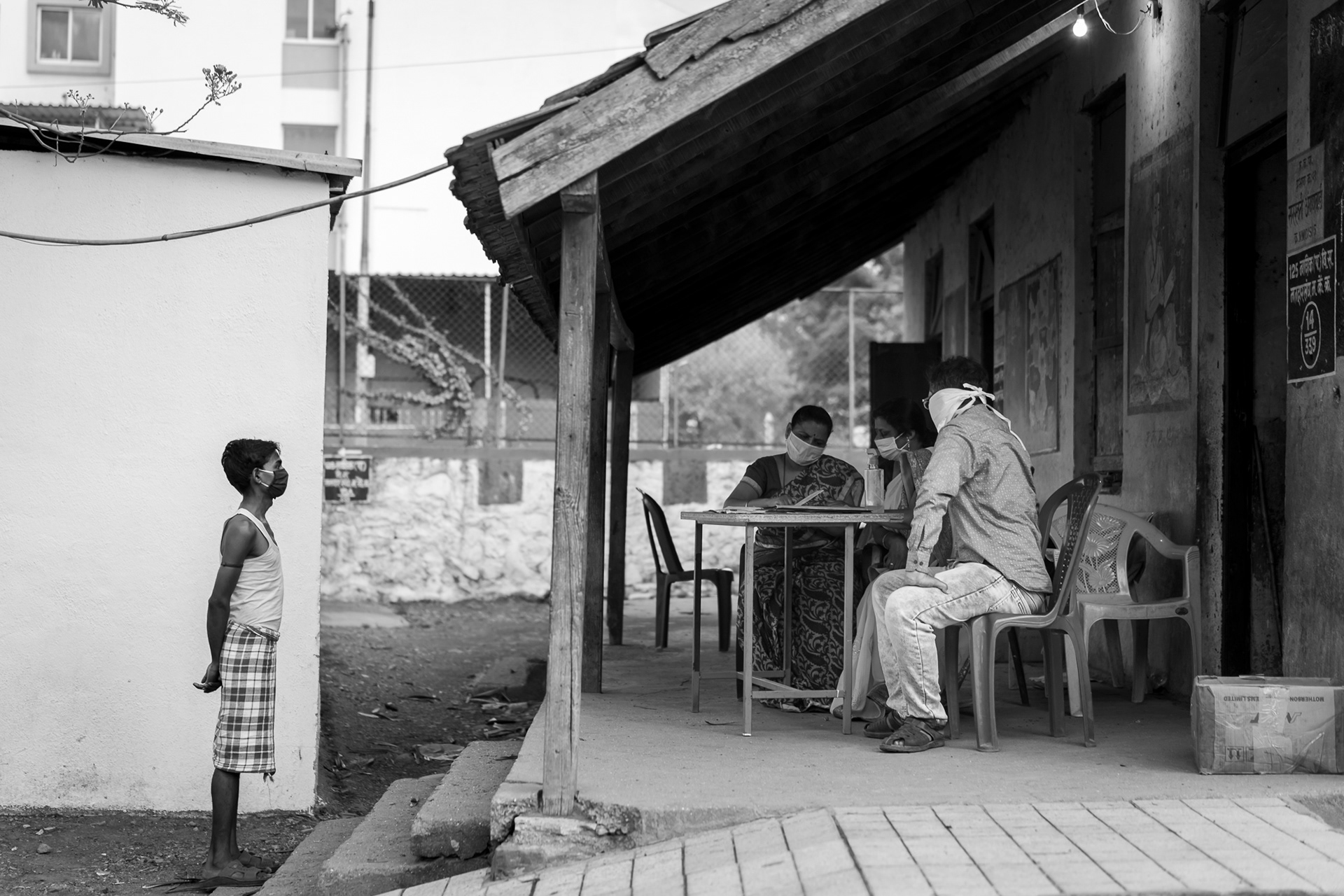
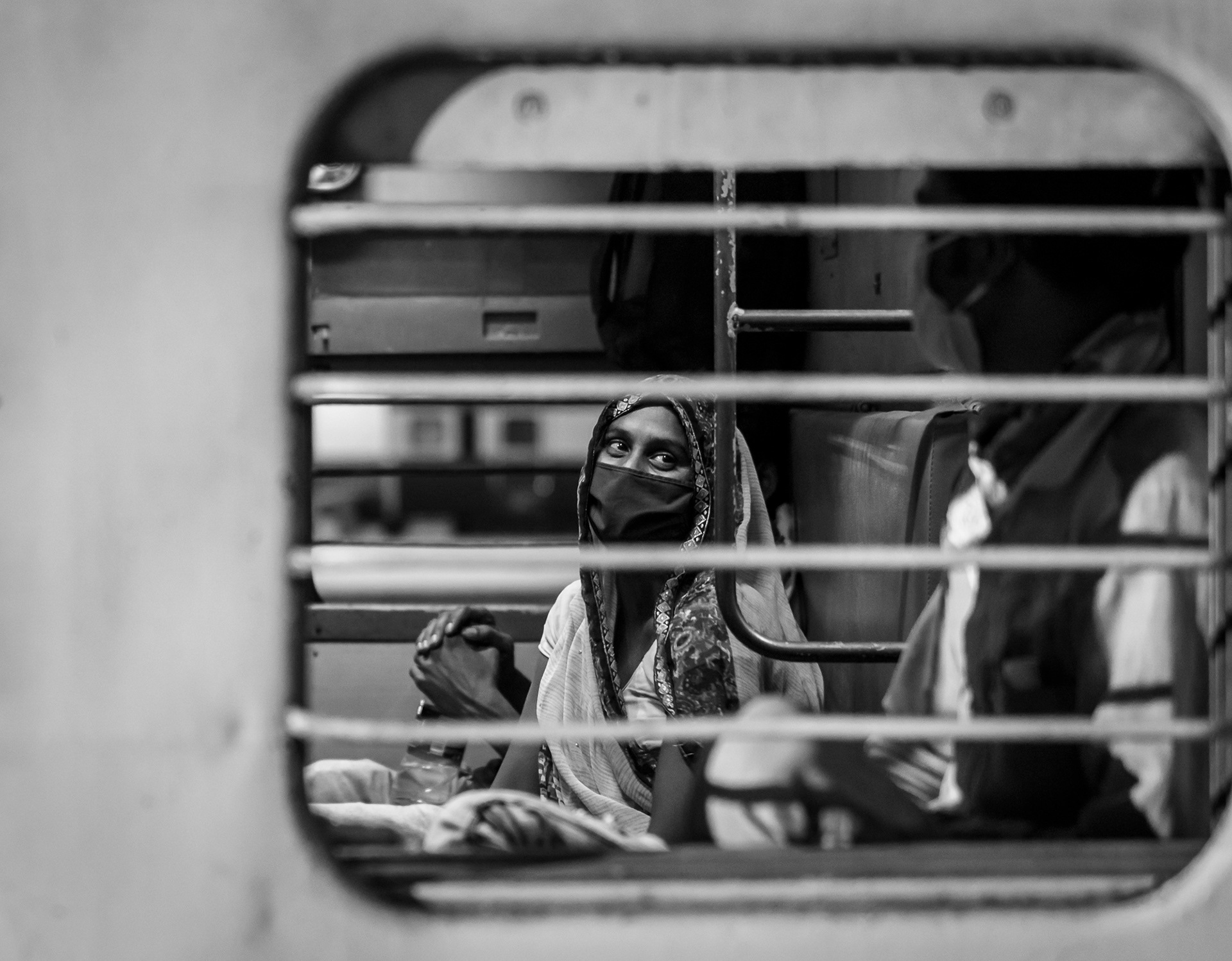
The work also shows moments when help arrived—temporary shelters inside schools, officials taking names at registration desks, and special trains organised after weeks of waiting. These scenes reveal how people tried to survive while authorities struggled to respond during an extraordinary crisis.
Instead of dramatic distance, the work stays close to individuals—walking beside them, resting when they rest, watching them bargain for rides, and waiting with them for instructions. It records what it meant to be displaced inside one’s own country, when roads became the only way home, and cities briefly lost the workers who keep them running.
Photographed during the first wave of the pandemic in March, April and May of 2020, COVID Migration is about fear and fatigue, but also about courage, care, and the deep human need to return home when everything else falls apart.